


The Problem with Traditional Budgeting
Traditional budgeting is like going on a financial diet. You restrict yourself, track everything obsessively in your spreadsheet, and eventually, most people give up. It’s exhausting and often counterproductive. Just like crash diets rarely lead to long-term weight loss, restrictive budgeting rarely leads to lasting financial health.
The Power of Paying Yourself First
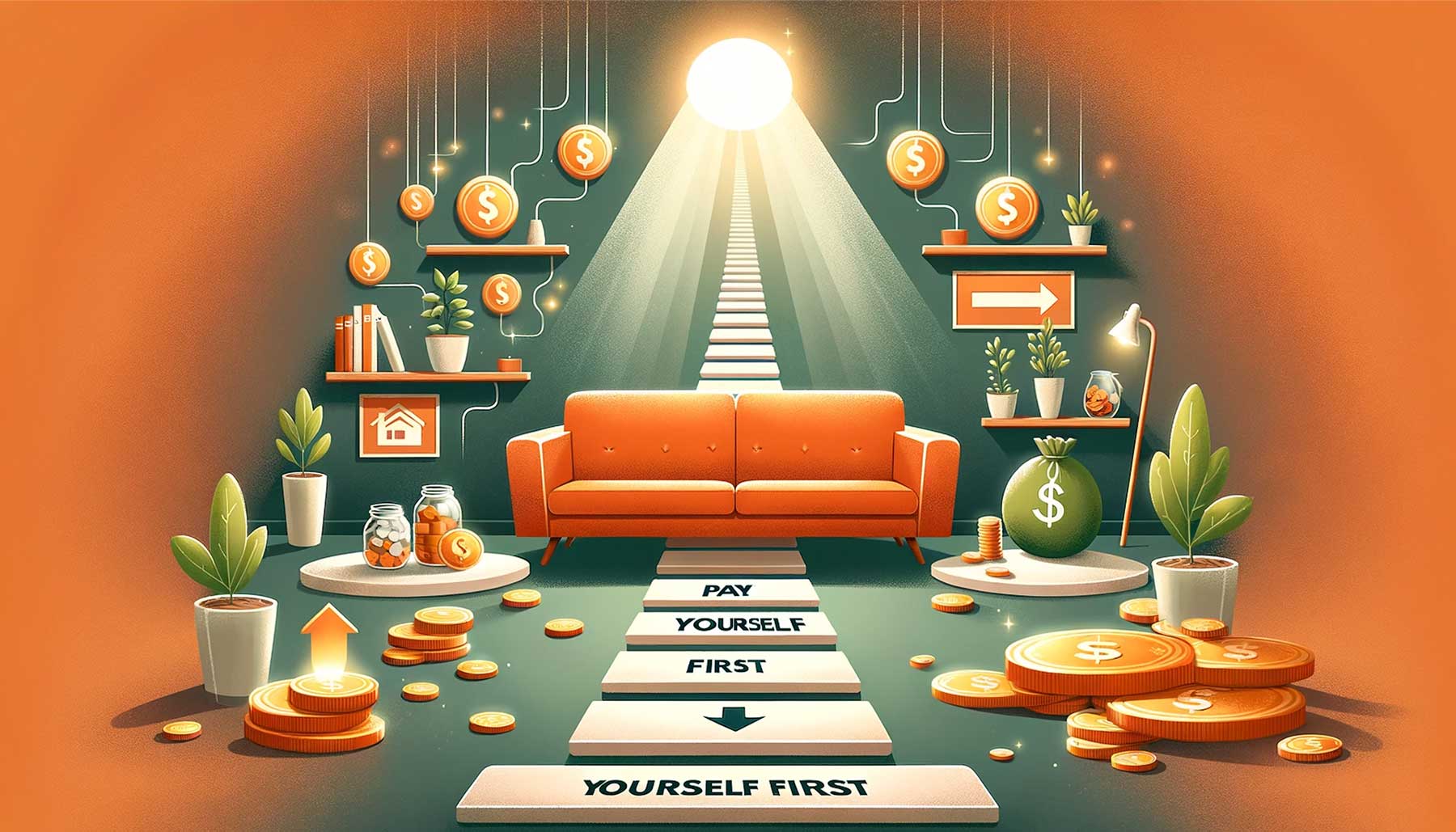
Instead of starting with restrictions, start with what matters most: your future self. Here’s how it works for Canadians:
- Automate Your Savings: Before you pay your bills or buy groceries, automatically direct a portion of your income to:
- RRSP (especially if your employer offers matching)
- TFSA for flexible tax-free growth
- Emergency fund in a high-interest savings account
- Investment accounts
- Specific goal funds (home down payment, travel)
- Set Up Your System: Have your employer split your direct deposit or set up automatic transfers on payday through your online banking. Many Canadian banks offer this service free of charge. The key is making this process automatic and treating these transfers like any other non-negotiable bill.
- Live on What’s Left: After your “future self” is paid, the remaining money is yours to spend—guilt-free.
Conscious Spending: The Anti-Budget
Once you’ve paid yourself first, conscious spending takes over. This approach means:
- Spending freely on what you value: Love coffee? Buy the fancy latte from your local roaster. Passionate about travel? Book that flight to Vancouver or Montreal.
- Cutting mercilessly on what you don’t: Maybe you don’t care about having the latest phone or shopping at Holt Renfrew. That’s where you can save big.
- Making intentional choices: Every purchase should align with your values and bring you joy or utility.
The Canadian Advantage
Our tax system actually supports this approach beautifully:
- RRSP Contributions: Reduce your taxable income and potentially get a nice refund
- TFSA Flexibility: Perfect for medium-term goals with tax-free growth
- First Home Savings Account (FHSA): Combine RRSP-like tax deductions with TFSA-like tax-free withdrawals for your first home
Why This Approach Works Better
- Psychology: It’s easier to save money you never see in your chequing account
- Automation: Removes willpower from the equation
- Positive focus: Instead of restriction, focus on growth and conscious choices
- Sustainability: Creates lasting habits rather than temporary restrictions
Getting Started
- Determine your “pay yourself first” percentage (aim for 20% if possible)
- Make the most of your TFSA and RRSP contribution room
- Set up automatic transfers through your online banking
- List your true priorities and values
- Align your remaining spending with those values
- Regularly review and adjust your system, especially after tax time
Smart Tax Planning
Consider the following sequence for maximum tax efficiency:
- Contribute enough to your RRSP to get any employer matching
- Max out your TFSA for flexibility
- Top up your RRSP based on your tax bracket
- Consider non-registered investments for additional savings
Remember, financial success isn’t about restriction—it’s about automation and alignment. When you pay yourself first and spend consciously on what matters, you create a sustainable path to wealth that doesn’t feel like a sacrifice.
Your future self will thank you for starting today!


